Is a Kenya safari worth the cost? Short answer: yes, for most travelers, if you pick the right tier and the right season. But that answer is worth almost nothing without numbers. So let’s build a real ledger, camp by camp, fee by fee, instead of vague talk about “unforgettable wildlife encounters.”
I have planned trips for guests spending $180 a day and guests spending $1,200 a day. Both groups came home glad they went. The difference was what they expected going in.
What a Kenya Safari Actually Costs Per Day
Prices below are per person, per day, based on double occupancy and 2026 rack rates from operators we work with. Solo travelers usually pay 20 to 40 percent more because of the single supplement.
| Tier | Price per day (USD, indicative) | Example camp | Park or conservancy fee | What’s included |
|---|---|---|---|---|
| Budget | $180 to $280 | Mobile camping safari, public campsites in Maasai Mara National Reserve | $80/day non-resident Mara fee (2026 rate) | Shared 4×4, basic dome tent, set meals, group of 6 to 8 |
| Mid-range | $350 to $550 | Kicheche Valley Camp, Mara North Conservancy | $100 to $120/day conservancy fee | Small groups of 4 to 6, better guiding, en-suite tents |
| Luxury | $700 to $1,200+ | Angama Mara, above the Oloololo Escarpment | Conservancy fee included in rate | Private vehicle, private guide, sundowners, sometimes a fly-in from Wilson Airport |
Nairobi to Maasai Mara is about 270 km by road, a 5 to 6 hour drive on the B3 and C12 through Narok. Or you fly 45 minutes from Wilson Airport into Keekorok or Musiara airstrip, which costs roughly $150 to $250 one way but saves a full day of driving on each end of a short trip.
What Actually Drives the Price
Four things move the number more than anything else.
Park fees. Maasai Mara National Reserve charges $80 per person per day for non-residents. Amboseli National Park is around $60. Tsavo East and West sit near $52. Private conservancies like Mara North or Naboisho charge their own fees, often $100 or more, but they cap vehicle numbers, so you are not sharing a leopard sighting with fifteen other jeeps.
Accommodation type. A canvas tent with a shared bathroom costs a fraction of a suite with a plunge pool. Both put you in front of the same lions.
Season. July through October, during the Great Migration river crossings, camps raise rates 20 to 40 percent. Book Angama Mara in August and expect to pay well above its April “green season” rate for the same room.
Group size and vehicle. A shared 7-seater splits the vehicle and guide cost across six strangers. A private 4×4 with your own guide costs more but means you stay at a sighting as long as you want, not as long as the group votes.
Kenya vs Tanzania: Which Gives Better Value
This is the comparison every first-timer asks about, so here it is straight.
Tanzania’s Serengeti and Ngorongoro Crater have higher park fees, $70 to $82 per day plus a $315 conservation fee for Ngorongoro alone, and roads inside the parks are rougher. Kenya’s Maasai Mara sits closer to Nairobi, has a denser concentration of predators per square kilometer in peak season, and its conservancies allow off-road driving and night drives, which most Tanzanian parks restrict.
If your trip is under 10 days, Kenya usually wins on logistics and cost. If you have two weeks and want to combine the Serengeti with Zanzibar, Tanzania earns its price tag.
Timing the Great Migration: Is the Premium Worth It
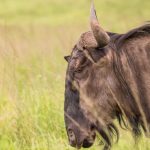
The Mara River crossings, typically late July through September, are the single most dramatic wildlife event in Kenya. Wildebeest herds numbering in the hundreds of thousands cross into the Mara from the Serengeti, and crocodiles wait for them at spots like Lookout Point and Paradise Crossing.
Paying the peak-season premium is worth it if you have never seen a crossing and this is likely a once-in-a-lifetime trip. It is not worth it if you are budget-constrained and mainly want to see the Big Five in good numbers, which you can do in February or June at 25 to 35 percent lower rates with far fewer vehicles at each sighting.
The Costs Nobody Mentions
Package prices rarely show everything you will actually spend. Domestic flights, park fee increases mid-year, gratuities for guides and camp staff, and visa fees ($50 to $100 for an e-Visa) all sit outside the headline number. We wrote a full breakdown of the hidden costs that safari package prices don’t show, and it is worth ten minutes before you commit to a quote.
Budget travelers should carry $150 to $250 in small USD bills or Kenyan shillings for tips, curio purchases, and the odd soda at a lodge bar that isn’t on the package. Card machines are unreliable in the bush.
Who Should Actually Skip the Splurge
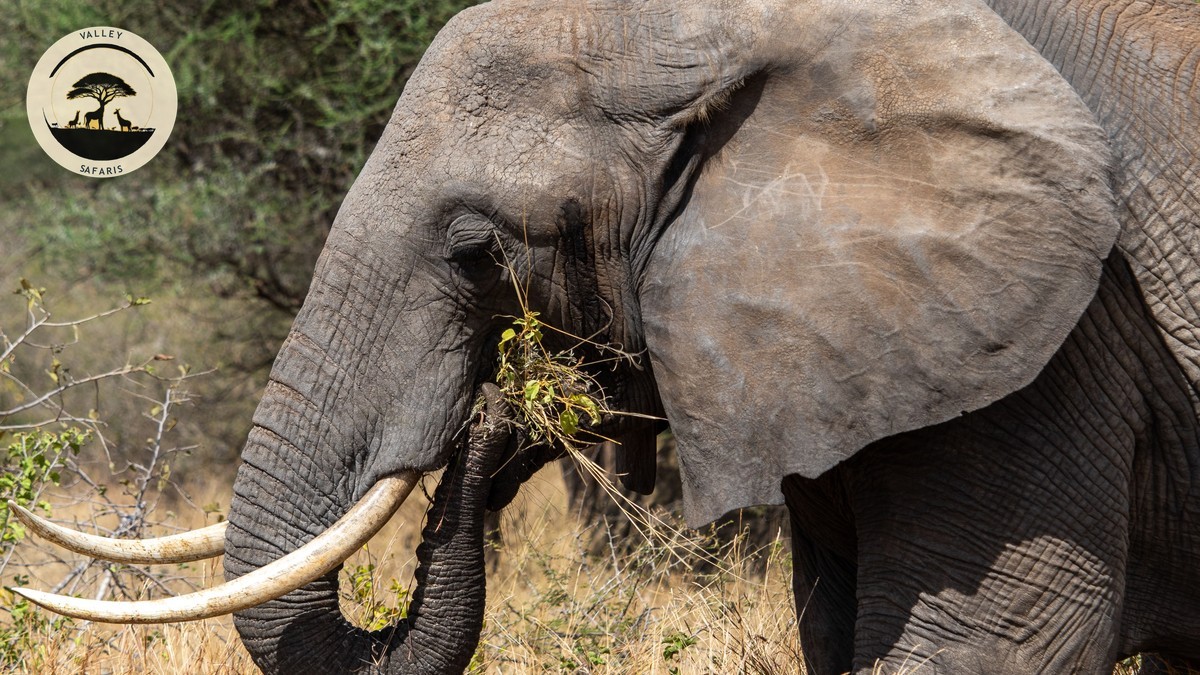
No one selling safaris wants to say this, but it matters. Skip the luxury tier if your trip is three nights or shorter. You will not use enough game drives to justify the per-night cost difference. Skip a single-park itinerary at any price tier if it is your only African trip this decade. Pairing Maasai Mara with Amboseli, for elephants and views of Kilimanjaro, or with Lake Nakuru, for rhinos and flamingos, costs relatively little extra and doubles what you take home. And if you cannot move your dates off July and August, know that you are paying for scarcity, not a better sighting.
Self-Drive vs Guided: Is the Savings Worth the Risk
Self-drive safaris in a rented 4×4 can undercut a guided trip by 30 percent or more. But Kenya’s park tracks are unmarked in places, breakdowns happen far from help, and a guide who knows this week’s lion movements is worth real money. We generally only recommend self-drive for confident travelers doing Nakuru or Naivasha, both close to Nairobi with decent signage. For the Mara or Amboseli, guided is worth the premium.
A Sample Route That Makes the Case
Five nights, mid-range tier, June (shoulder season): two nights at Kicheche Valley Camp in Mara North Conservancy, one night at a Naivasha lodge on the drive back, two nights near Amboseli looking at Kilimanjaro. Total cost per person: roughly $2,400 to $2,900, park fees and most meals included, excluding international flights. That is a complete Big Five and Kilimanjaro trip for less than a single week at a luxury-tier camp alone.
The Valley Safaris Difference
We build every itinerary around your actual budget instead of pushing the highest-margin camp. That means telling a guest honestly when a $250-a-day mobile camp will show them everything they want, and telling another guest when it’s worth stretching to Angama Mara for their anniversary. Our guides live in the Mara ecosystem year-round, so they know which conservancy has cheetah cubs this month, not just which camp pays the best commission. We also keep group sizes small on our own vehicles, and we’re upfront in every quote about park fees, fuel surcharges, and gratuities before you pay a deposit.
We also offer payment plans that make a Kenya safari more affordable, so the total cost doesn’t have to land in one transaction. And if you have been comparing quotes on a booking marketplace, it’s worth understanding the case for booking direct instead of through a marketplace before you pay a markup for the same camp.
FAQ
Is a Kenya safari worth the cost for a first-timer? Yes, if you choose mid-range and avoid a single three-night park visit. Budget trips are worth it too, just with fewer comforts.
How much does a Kenya safari cost per day? Between $180 and $1,200 per person per day, depending on tier, with $350 to $550 covering most mid-range travelers well.
Is it worth paying more to see the Great Migration? Yes for a once-in-a-lifetime river crossing. No if your priority is simply good Big Five sightings at a lower cost.
How much cash should I bring? $150 to $250 in small bills for tips and incidentals, beyond whatever your package already covers.
The Bottom Line: Is a Kenya Safari Worth the Cost?
A Kenya safari is worth the money for almost anyone who picks a tier honestly matched to their budget, avoids peak season if funds are tight, and combines at least two ecosystems instead of one. It stops being worth it only when a short, single-park, peak-season trip gets priced like it should deliver everything.
If you want a straight answer on what your specific trip should cost, talk to us about planning it or look through our Maasai Mara safari packages to see real itineraries and real prices side by side.